When selecting a technology product, you’re not just choosing the product itself—you’re also choosing the vendor and the broader ecosystem that supports both. One of the toughest decisions in the tech industry is selecting the right vendor to meet your specific needs. This involves more than simply reviewing software demos or skimming through glossy marketing materials; it requires a thorough evaluation of the vendor’s entire ecosystem.
Have you ever encountered or heard about that “game-changing” software—the one that looked sleek, promised to transform the organisation, and often came with a hefty price tag—only to see it gather dust, abandoned like a white elephant? In many cases, this happens because proper due diligence wasn’t conducted before the purchase, and some critical aspect of the product’s ecosystem ultimately failed to deliver.
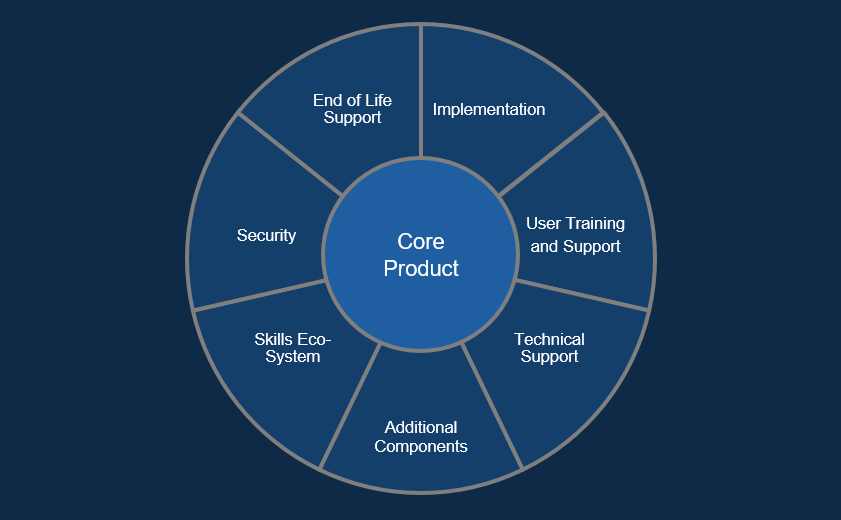
To help you with selecting a vendor that is truly fit for purpose, I’m going to use a well-established framework from one of my favourite books, “Crossing the Chasm” by Geoffrey Moore. This book introduces a widely recognised marketing model known as the “Whole Product Model.” The Whole Product Model goes beyond just the core offering; it breaks down the product into various elements that are essential for customers to successfully adopt and fully benefit from it.
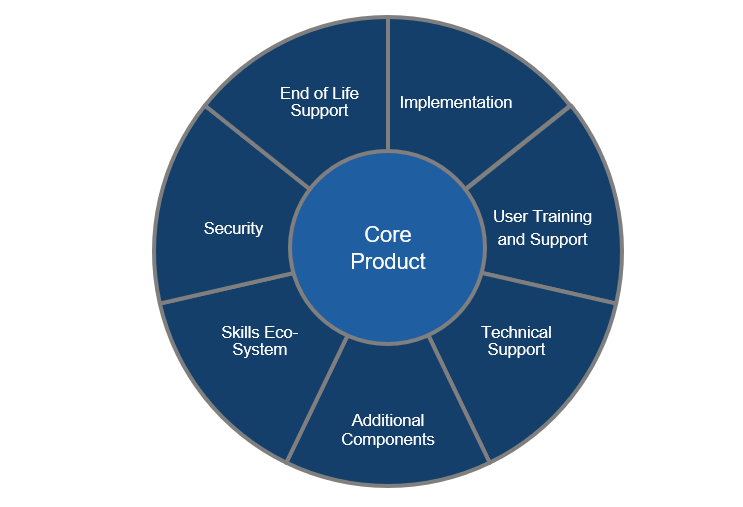
Many technology vendors tend to focus heavily—sometimes exclusively—on the “Core Product,” emphasizing its key features and capabilities only. While the core product is essential, what truly drives successful adoption and long-term use is the “Whole Product”. Without the complete ecosystem surrounding the core offering, even the most amazing product can become ineffective and ultimately useless. It’s the whole product that ensures the core product delivers real, sustainable value to users.
No matter how impressive the demo or how persuasive the marketing and sales team may be, it’s essential to thoroughly evaluate and verify the following key areas before making a decision.
Product implementation
Seeing a product in action during a demo is one thing but getting it to work for your specific needs is an entirely different challenge. Be sure to ask vendors about the installation and configuration process, and request estimates for costs and timelines. If possible, try to agree on a clear scope and cost with the vendor before making the purchase. This will give you a better understanding of the total costs, expected timeline, and the functionality you can realistically expect, ensuring there are no surprises down the road.
User Training and Support
Ensure you understand how users will be trained to use the product effectively. Even if a product seems intuitive, proper training is crucial to ensure it’s being used correctly and in line with corporate standards. Additionally, determine what kind of ongoing support will be available for users—who they can contact for help, and how quickly issues will be addressed. All of this should be clarified and factored into the cost before signing any agreement. Be cautious of products that require extensive training, as they may indicate a steep learning curve, potentially leading to low adoption rates and productivity challenges.
Technical Support
When something inevitably goes wrong with the product, it’s crucial to know who will provide support and how quickly they can assist. Clarify how technical support is offered, ensuring it covers your office hours and is aligned with your time zone. Confirm the cost of support, as well as the expected response times. These details should be clearly outlined in a Service Level Agreement (SLA), which should specify support availability, response time (e.g., within an hour, a day, or longer), and any penalties if the vendor fails to meet the SLA, such as discounts or refunds. Having a well-defined SLA ensures you’re protected and know exactly what to expect when issues arise.
Additional Components
Often referred to as Total Cost of Ownership, this encompasses the entire cost of not just the core product and the operations of a product but also any additional costs required to make the product function. For example, you may need specialised hardware, other specialised software (a common example is a database server that can host the products database) or even additional vendor components that might be “hidden” (or not made clear). Ask the vendor what the full cost of additional components are to make the product fully functional.
Skills Eco-System
Depending on the complexity of the product you’re implementing, you may need to rely on an ecosystem of experts to implement, support, and maintain it. It’s crucial to understand what partnerships the vendor has in place, what skills are commonly available in the job market (in case you need to hire), what technical is available, and how deep the vendor’s own expertise is, particularly in your industry. It’s surprising how often vendors are mainly sales-focused and lack the knowledge to properly implement or support their own products. Look for a range of qualified partners, ensuring you have options for assistance, and confirm that there is a healthy pool of skilled professionals in the job market. This way, you’re not relying on scarce, niche resources that could be difficult or expensive to secure.
Security
Security must be an integral component of any technology system implementation, rather than an afterthought or a simple add-on. When evaluating a vendor, consider the following key aspects:
- Security Standards: What security standards and frameworks do they adhere to, such as ISO 27001 or NIST?
- Cyber Insurance: Do they have cyber insurance or similar coverage that you can utilize in the event of a data breach?
- Identity and Access Management (IAM): How do they manage IAM? At a minimum, you should expect Multi-Factor Authentication (MFA) as a standard practice. Ideally, the vendor should offer Single Sign-On (SSO) integration with your own IAM system. This integration allows you to manage access more efficiently and, most importantly, to revoke access from a central point, eliminating the reliance on cumbersome manual processes.
By addressing these areas, you can ensure that security is effectively integrated into your technology solution from the start.
End of Life Support
Regardless of the product you purchase, it will eventually become obsolete or reach its end of life. Vendors may offer new versions and upgrades, or they might allow a product to gradually fade away in the market. This can be a challenging area to assess, as vendors will often claim that their products are here to stay—after all, verifying the future is impossible! However, you can gain valuable insights by examining the vendor’s history: consider how long they have been in business and how they have managed previous product versions. This will help you gauge their commitment to product longevity and support, providing a more informed basis for your decision.
If the vendor cannot assure you regarding product longevity, or if you prefer to keep your options open for the future—which is highly advisable—you should understand how to extract your data when you decide to discontinue using the product. Key considerations include:
- Data Extraction: Can your data be exported in a universal format?
- Migration Paths: Are there open migration paths available to other software solutions?
- Extraction Fees: Does the vendor charge for data extraction or migration? Ideally, they should not impose any fees for this process.
By clarifying these aspects, you can ensure that you have the flexibility to move your data as needed without unnecessary complications or costs.
While it may seem counterintuitive to discuss end-of-life considerations before a product’s lifecycle has even begun, having a solid exit strategy can help you avoid significant headaches in the future. Common issues include exorbitant costs for data extraction or migration, security risks associated with outdated products, and the dreaded vendor “lock-in” scenario. In such cases, it becomes increasingly difficult to exit the agreement, often leading to escalating costs while the product becomes less suitable for your needs. By planning ahead and addressing these concerns upfront, you can safeguard your organisation against potential challenges down the line.
Even after asking the tough questions of your potential vendor, it’s essential to verify their responses. Here are some effective ways to do so:
Industry Reports
Industry reports from reputable firms like Gartner or Forrester can offer valuable insights into vendors. In fact, I often start my vendor selection process with these reports, as they summarise extensive research conducted by analysts. These reports provide comprehensive evaluations of each vendor, highlighting their strengths and weaknesses, as well as how they compare within the market. Utilising these insights can significantly enhance your decision-making process and help you identify the most suitable vendors for your needs.
Case Studies
Vendors often publish case studies to highlight their customers and showcase how their products have positively impacted their operations. While these case studies can provide useful insights, it’s important to approach them with a healthy dose of scepticism, as they tend to present an overly positive perspective. Nonetheless, they can serve as a valuable guide to assess whether the vendor has delivered meaningful outcomes that align with your organisation’s goals and needs. Be sure to look for patterns or common themes that resonate with your own objectives when evaluating these case studies.
References
You can explicitly request customer references from the vendor or leverage your network to gather feedback about their reputation. However, it’s essential to approach this information with caution. Personal biases can influence opinions about a vendor, so if you encounter strong preferences—either positive or negative—dig a little deeper to uncover the underlying reasons behind those opinions. Look for specific examples or experiences that provide a clearer understanding of the vendor’s strengths and weaknesses, helping you make a more informed decision.
Selecting your next vendor involves numerous considerations, but it’s crucial to make the right choice. A poor decision can lead to costly mistakes down the line and jeopardise your reputation for delivering valuable technology outcomes in the future. Taking the time to thoroughly evaluate vendors can help ensure that you find a partner who aligns with your organisation’s goals and can contribute positively to your success.
One final point to consider is that you don’t always need to choose the largest or most well-known vendor; what’s essential is finding the vendor that best suits your specific needs. Sometimes, the differences among vendors can be subtle, ranging from pricing and features to the depth of support they offer. It’s crucial to thoroughly understand your requirements and select the vendor that aligns most closely with your organisation.

 The Digital Experience